Gasqilla Script: A Font for Creative Web Design
While working on a boutique online store project, I found myself searching for a font that could add personality to the site’s hero section without compromising readability. That’s when I discovered Gasqilla Script—a charming handwritten font that felt just right for the brand’s aesthetic.
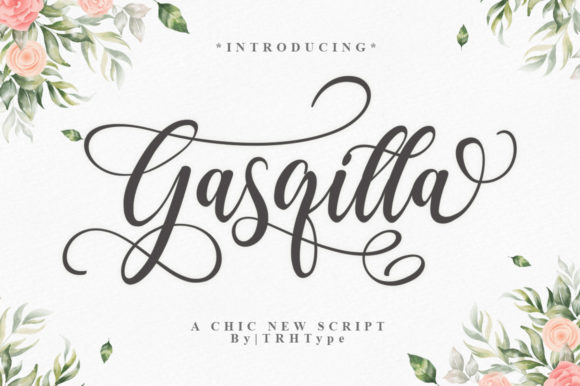
Gasqilla Script has a soft, flowing style with a slightly irregular touch that gives it an authentic, handcrafted feel. It’s not too ornate, which makes it versatile for digital use. The font’s natural rhythm and subtle variations in stroke weight make it ideal for headlines, logos, and decorative elements where a human touch is desired.
One of the first places I tested Gasqilla Script was over a bold image banner on the homepage. The font’s fluid lines complemented the visual storytelling of the background while still maintaining clarity. It didn’t overpower the image, but rather added a sense of warmth and approachability that aligned with the brand’s identity.
As I moved through different sections of the site, I noticed how Gasqilla Script worked well as a display font for headings and call-to-action buttons. Its legibility on larger screens made it perfect for hero text, while its unique character helped it stand out from more standard typefaces. However, I also realized that using it for body copy or long paragraphs would be less effective due to its cursive nature.
For the product landing page, I paired Gasqilla Script with a clean sans serif font for the description text. This combination created a balanced look—using the script font for titles and the sans serif for details allowed the design to feel both creative and professional. The contrast between the two fonts also helped guide the user’s eye through the layout effectively.
When testing Gasqilla Script on mobile devices, I paid close attention to how it performed on smaller screens. The font maintained its charm without becoming too cramped, especially when used in short phrases or headers. On dark backgrounds, it retained good contrast, and on light backgrounds, it remained easy to read. For image overlays, I kept the font size moderate to ensure it didn’t get lost in the visual noise.
I also considered how Gasqilla Script might work in other areas of the site, like blog headers or social media graphics. Its expressive style made it a great choice for headlines that needed a bit of flair, and its PUA encoding allowed for easy access to alternate characters, which was useful for customizing certain design elements.
For the coaching website I was building, Gasqilla Script added a personal touch to the homepage title and service section headers. It gave the site a more intimate and trustworthy vibe, which was important for a brand focused on guidance and support. The font’s versatility meant it could be used across multiple pages without feeling repetitive.
One thing I always check before finalizing a font is its webfont availability and licensing. Gasqilla Script comes in multiple weights and styles, making it adaptable for different design needs. Its commercial license also meant I could confidently use it on client projects without worrying about legal issues.
When choosing a font like Gasqilla Script, it’s important to think about the overall design system. Pairing it with a complementary font—like a simple serif or sans serif—can help maintain visual balance. I found that using Gasqilla Script sparingly for key elements like headlines and logos allowed the rest of the design to stay clean and functional.
For the portfolio site of a digital artist, Gasqilla Script worked well as a header font, giving the site a modern yet artistic feel. Its handwritten quality matched the creative nature of the content, and its smooth curves added a sense of elegance to the layout.
Overall, Gasqilla Script is a valuable addition to any designer’s toolkit. Whether you’re working on a product landing page, a course sales page, or a blog redesign, this font offers a unique way to express your brand’s personality while maintaining usability. Its blend of creativity and practicality makes it a go-to choice for designers looking to elevate their digital projects with a touch of authenticity.
By focusing on readability, pairing it with appropriate fonts, and using it in the right contexts, Gasqilla Script can enhance the visual appeal of any website. It’s a font that doesn’t just look good—it helps tell a story, build trust, and create a more engaging online experience.